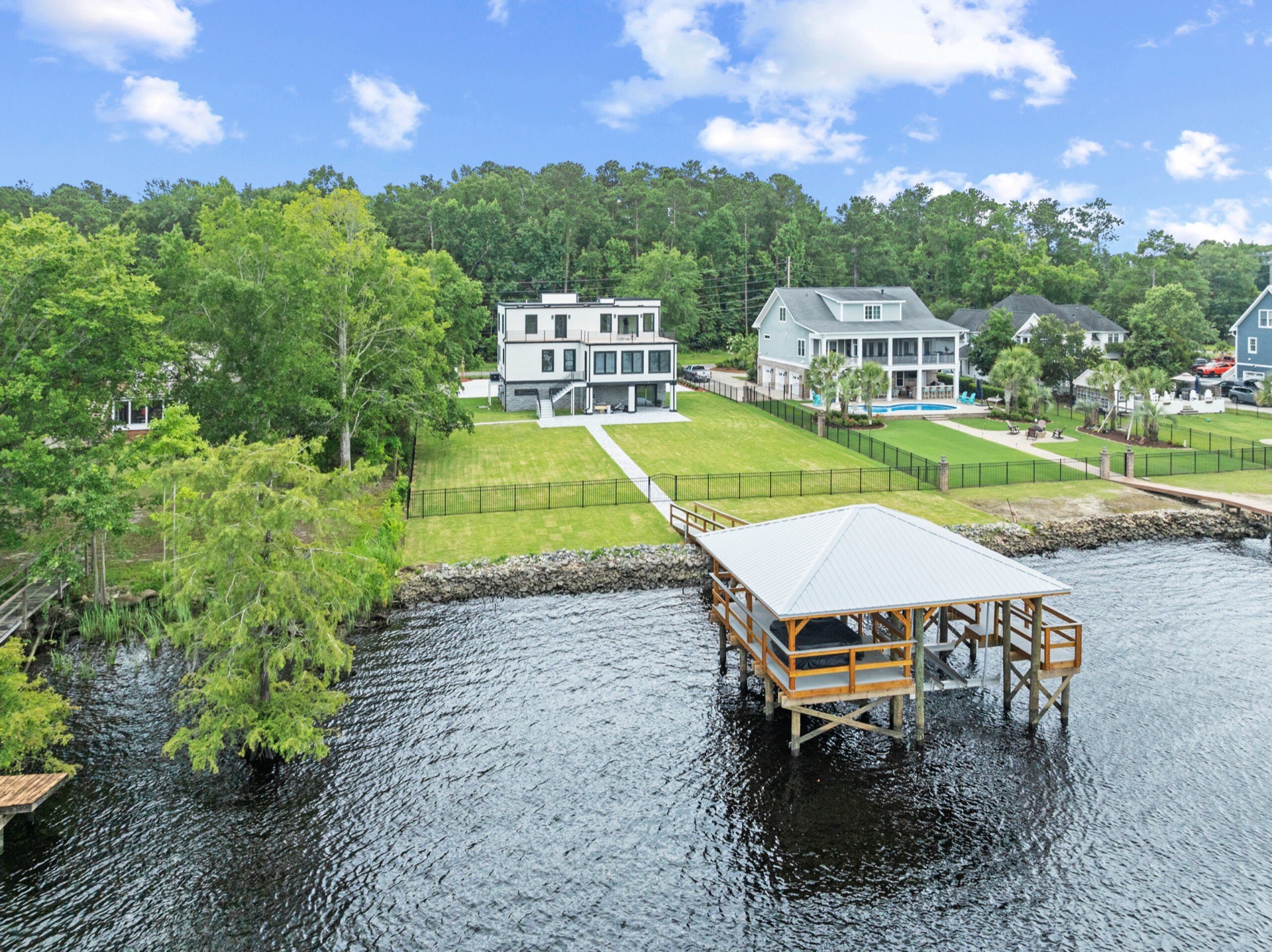
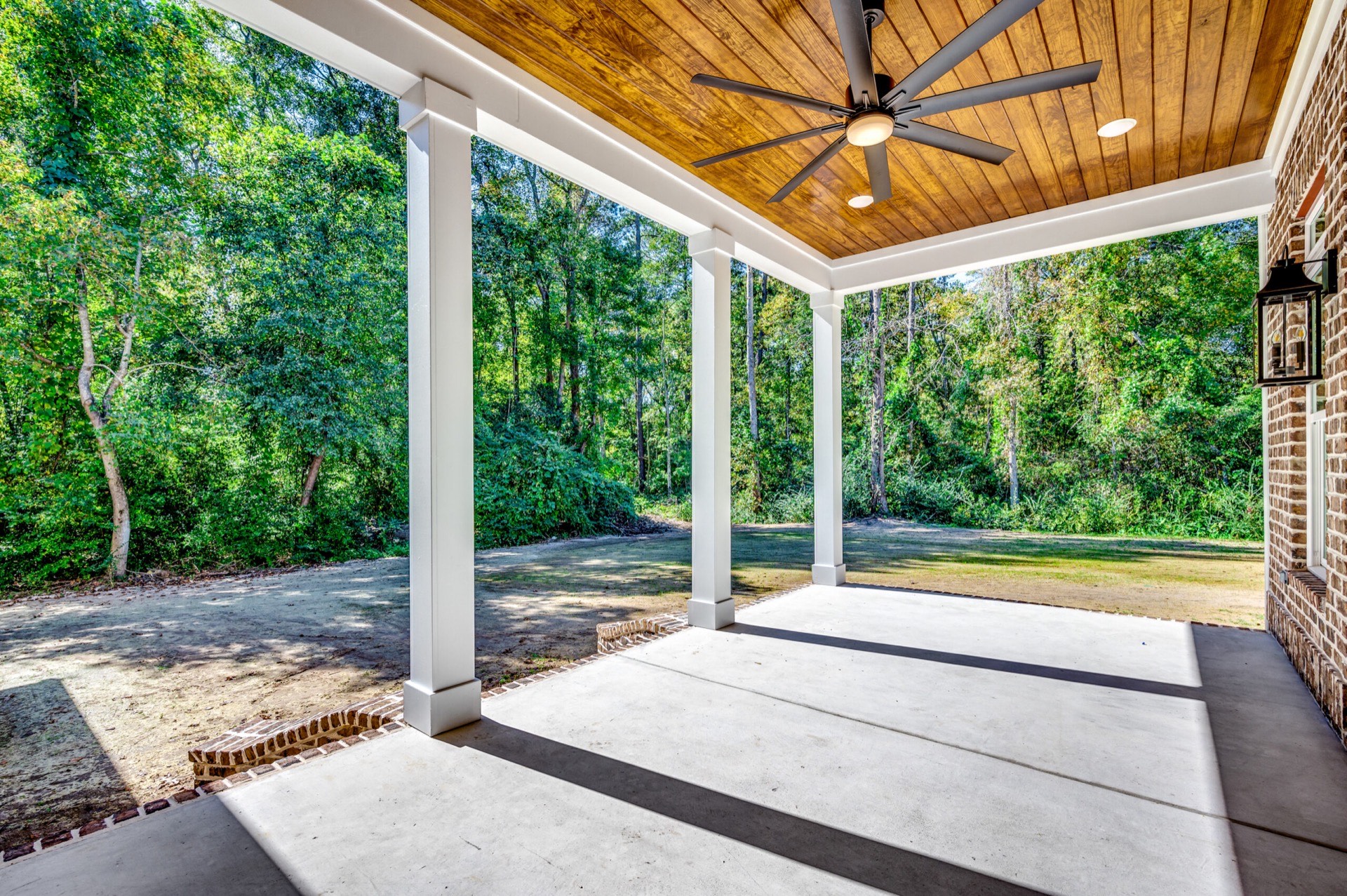
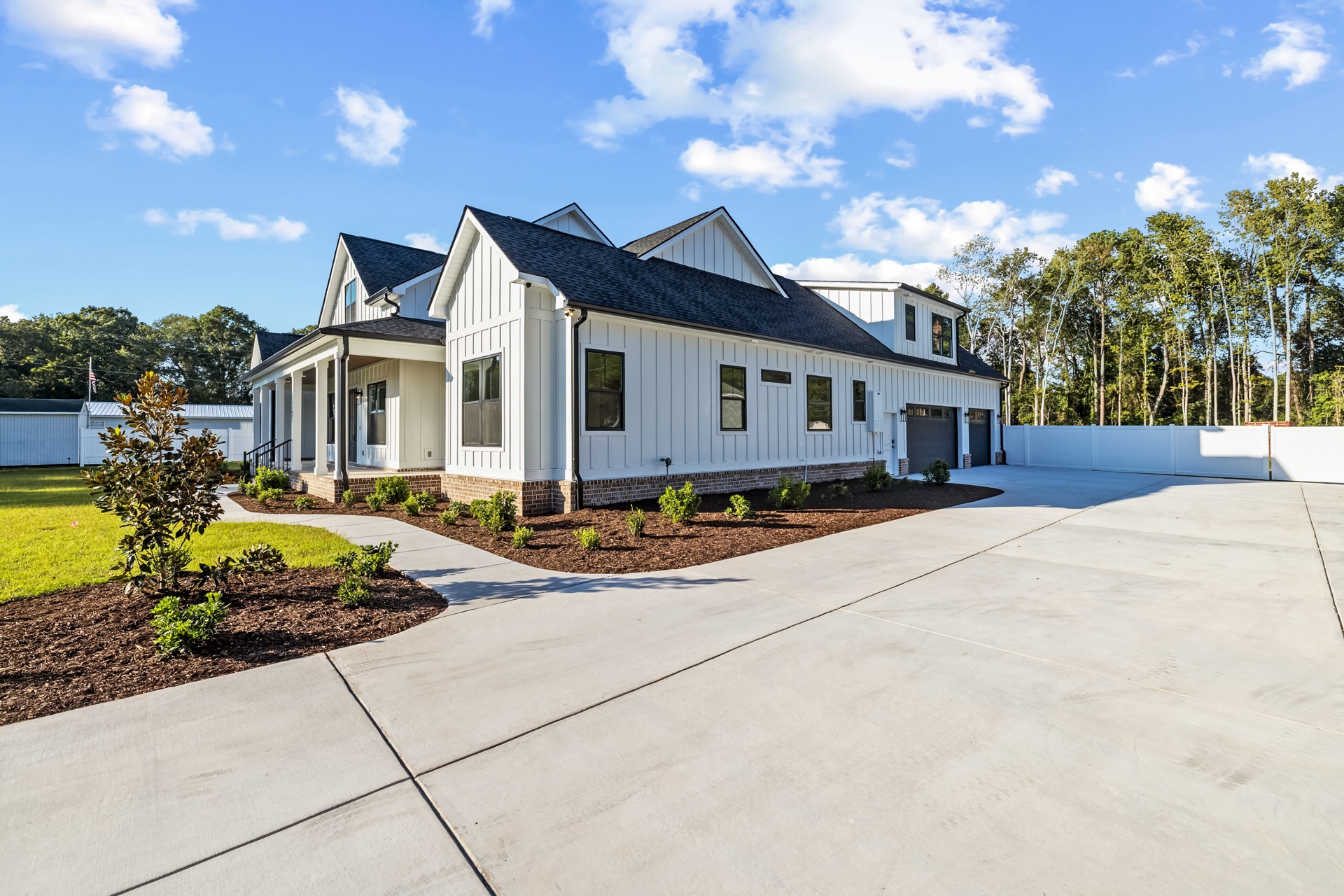
We are working on a new home in North Litchfield Beach, and while looking at the property and thinking through the house, I started wondering about North Litchfield itself.
What exactly is it?
It isn’t a town. There is no gate. There is no golf course or clubhouse. There is no mandatory HOA telling everyone what they can build. The roads are public. The houses don’t all look alike.
But somehow, everybody knows when they’re in North Litchfield.
How did that happen?
It Started Pretty Simply
The beginnings of modern North Litchfield go back to the 1940s, when Edwin and Thomas Boyle acquired property in the area.
During the 1950s, the land began to be divided into residential lots. Old plats show streets, individual homesites, beach access and protected dune areas.
The streets leading toward the ocean were dedicated for public use. By the end of the 1950s, North Litchfield Beach, Inc. was involved in developing additional property, and more residential lots followed.
There was obviously a plan.
But it wasn’t what we would now call a master-planned community.
There wasn’t a gate, an amenity package and an HOA created to manage everything forever.
They laid out streets. They created lots. They provided access to the beach.
And people started building houses.
Why Didn’t It Need More?
Maybe the obvious answer is sitting at the end of every street.
The ocean.
The original layout gave people throughout the neighborhood access to the beach, including owners who weren’t directly oceanfront. Early plats and deeds also paid particular attention to the dunes and restricted what could happen in portions of them.
There was no need to manufacture much of an amenity package.
The beach was already there.
And the public streets are more important to the story than they might seem. They helped make North Litchfield fundamentally different from a private community built around privately maintained roads, common property and controlled access.
Once those streets and lots were established, North Litchfield didn’t need a private organization to operate the entire neighborhood.
So Who Is Actually in Charge?
That’s where North Litchfield gets interesting.
It isn’t an incorporated town. There is no mayor or North Litchfield town council.
It’s part of Georgetown County.
There is a property owners association, but membership is voluntary. It can represent neighborhood interests and work on issues important to property owners, but it isn’t a mandatory HOA governing every property.
That doesn’t mean North Litchfield has no rules.
Georgetown County zoning, floodplain requirements, building codes and other regulations still apply. The original developers also used deed restrictions, including restrictions involving residential use, subdivision of property and portions of the dunes.
So North Litchfield wasn’t created as a free-for-all.
But nobody created a permanent architectural authority responsible for making every house conform to a single vision of what North Litchfield should look like.
And that’s where things get really interesting.
Nobody Designed the North Litchfield We Know Today
People just kept building.
The early owners built beach houses.
Families came back. Houses changed hands. Children grew up and returned. Houses were remodeled and added onto. Some eventually came down and were replaced.
Hurricanes came through.
Building codes changed.
The trees got bigger.
And newer homes gradually appeared beside older beach cottages.
There was no architectural review board making all of those generations of houses match.
They don’t match today.
Drive through North Litchfield and that’s obvious. You can see an older, relatively simple beach house and then, a few lots away, a large new home built for a completely different generation.
Yet somehow the neighborhood hasn’t lost its identity.